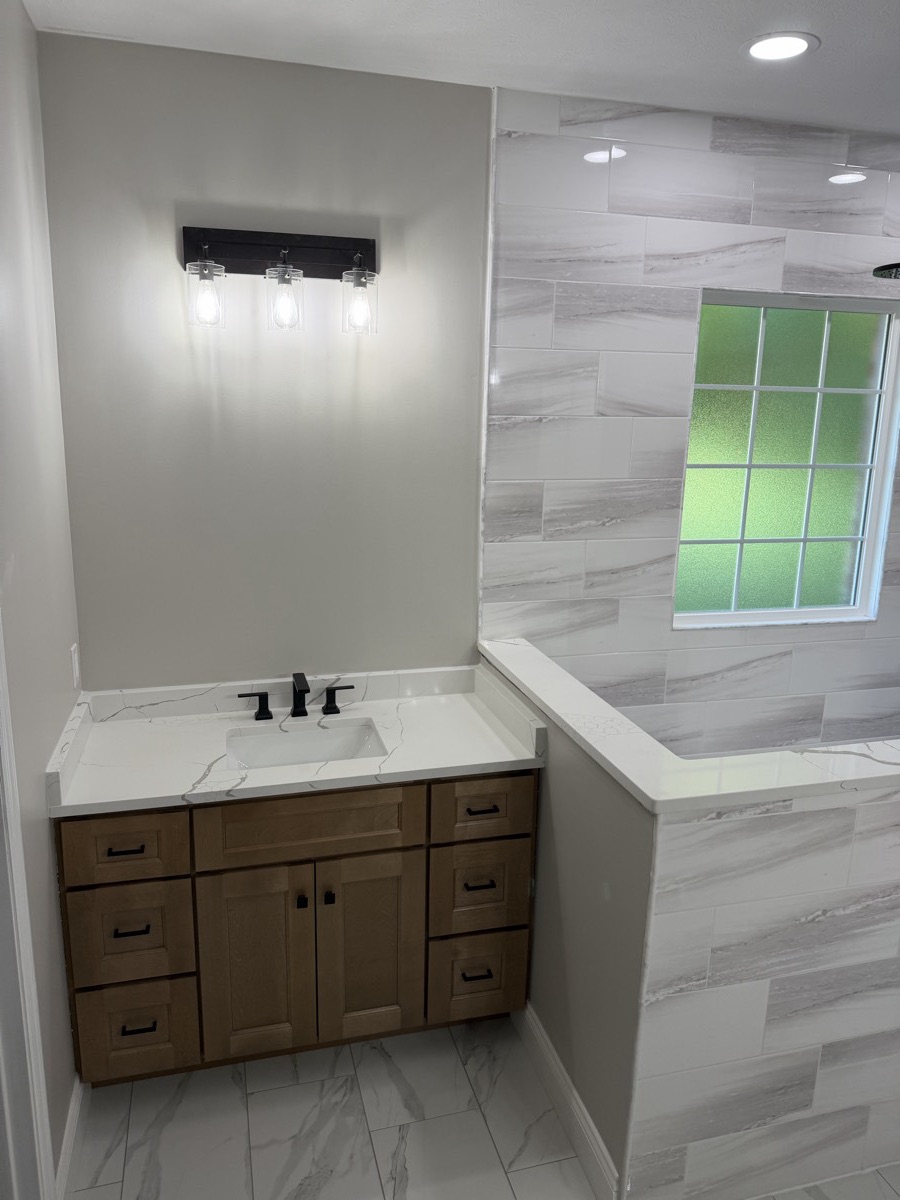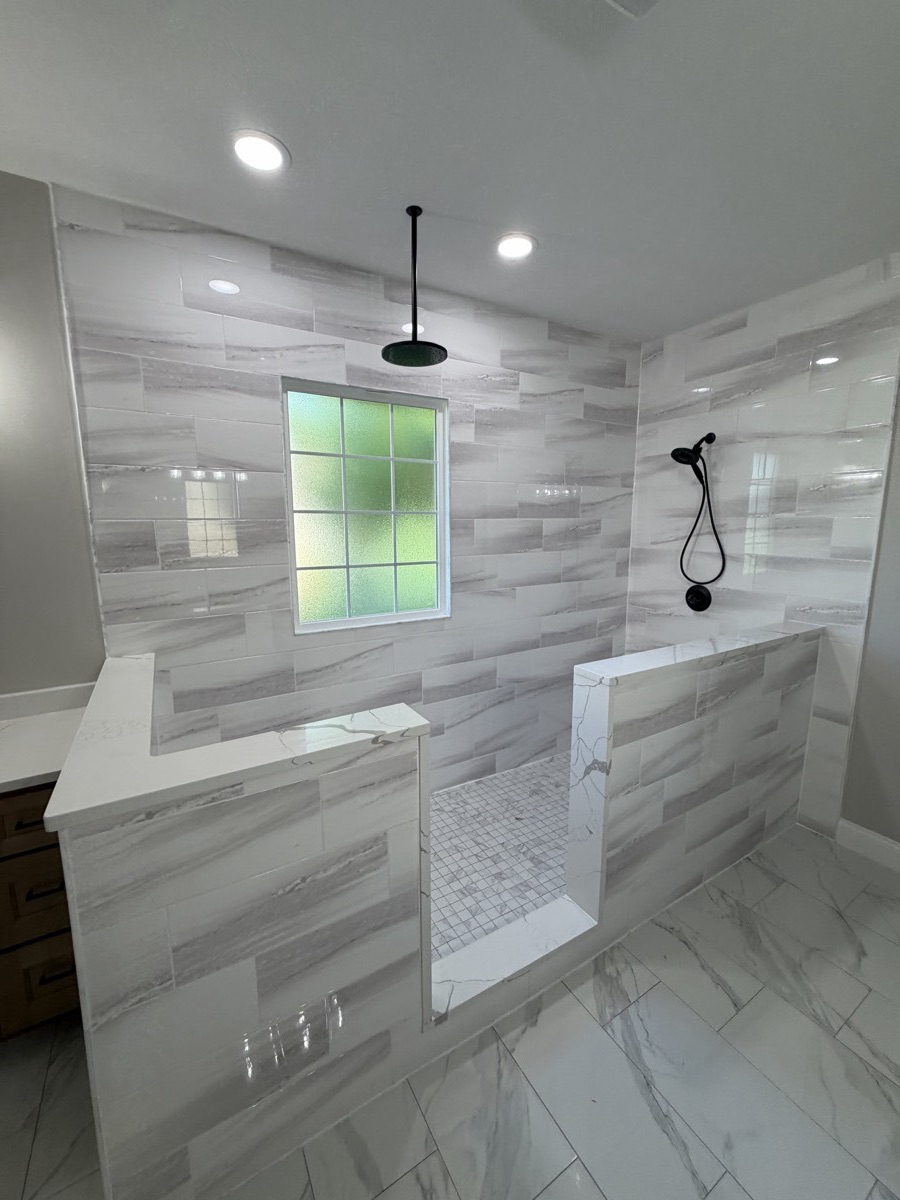
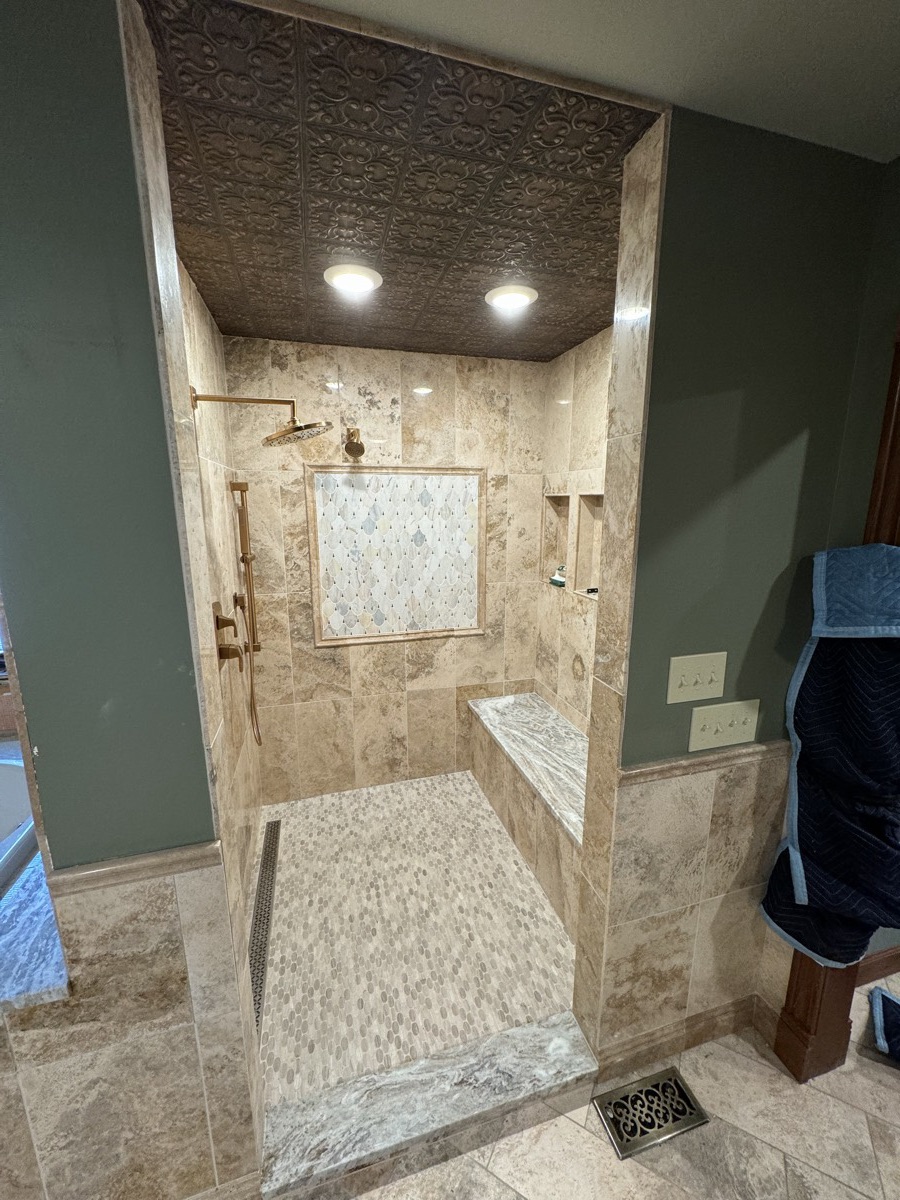
Swapping a bathtub for a walk-in shower is one of the most common jobs we do. If you're stepping over a tub you never sit in, you're not alone. Here's what I tell people before they decide.
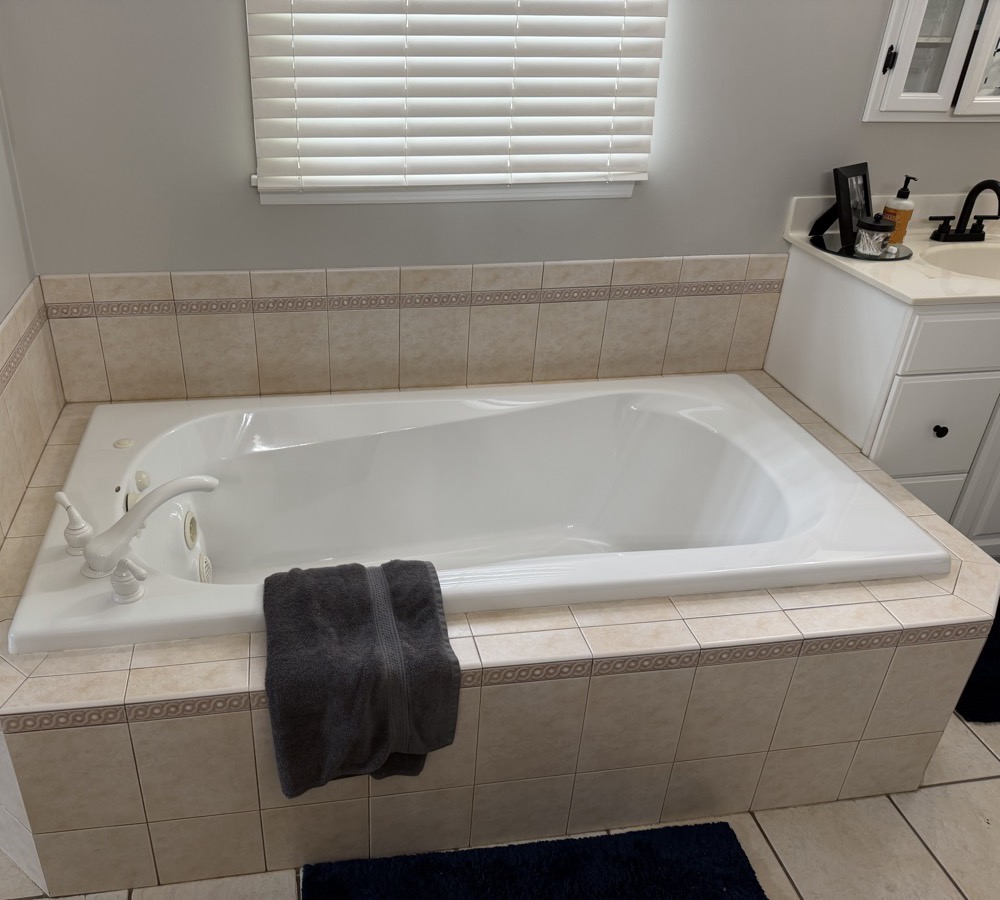
Who it's right for
Most of the people who call me about this don't have young kids at home anymore. They're tired of stepping over the side of a tub, and they want something nicer, usually a tiled walk-in shower. Another common one: there's already a tub in a spare or kids' bathroom, and they want the master bath to have a real walk-in shower.
Keep at least one tub in the house
I almost always recommend keeping at least one tub somewhere in your home. It's handy for kids and grandchildren, it's nice to have in a pinch, and real estate agents commonly say buyers with young families look for one. So converting the master bath is usually a great idea. Converting the only tub in the house is worth a real conversation first.
How long does it take?
Anywhere from 2 to 6 weeks, depending mostly on whether you go with a one-piece shower or tile. A one-piece shower is on the quicker end. A custom tile shower takes longer because there are more steps, and every one of them matters. Bigger projects can run two months or more, but that's rare. Either way, you'll know the schedule before we start.
Tile shower vs. a one-piece shower
Tile showers look a lot nicer, you can make them any size and style, and they last a long time when they're built right. They do cost more, and they take longer to install.
One-piece (or drop-in) showers are low maintenance, faster to install and usually cheaper. The downside is they can stain over time if they're not kept up. There are also high-end one-piece units that look great and hold up well, but those can cost about as much as tile.
There's no wrong answer. It comes down to your budget, your style and how long you plan to stay in the house.
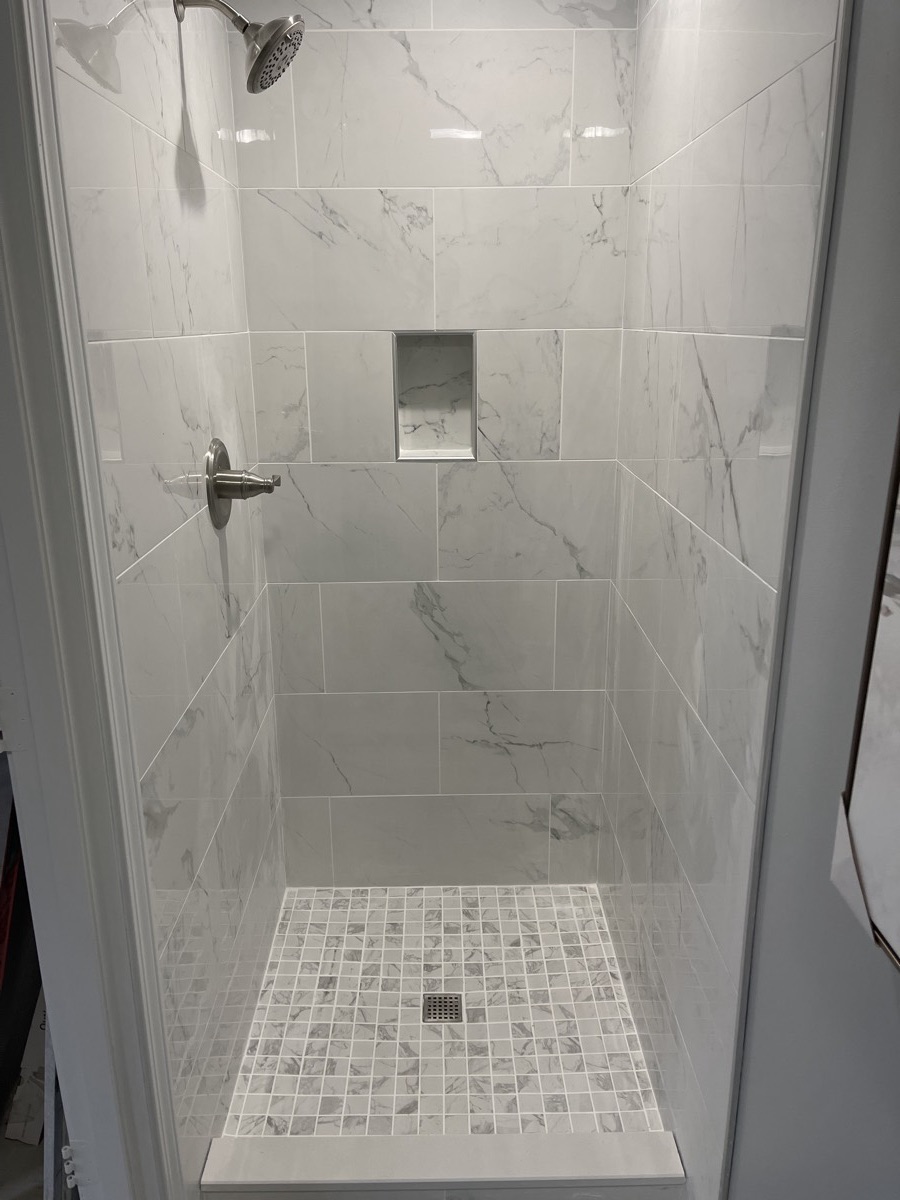
What about a curbless shower?
A curbless shower has no step at all. You just walk in. They look great, but the main reason to do one is accessibility, like a wheelchair or a walker. They're a lot more work and cost more, because the shower floor has to sit lower than the rest of the bathroom so the water runs to the drain. That usually means lowering the subfloor and sometimes changing the floor framing underneath. Not every house has room for it, so it's something we look at closely during the walkthrough.
For most people, a shower with a low curb gives you almost all of the same easy entry for a lot less.
What we find behind old tubs
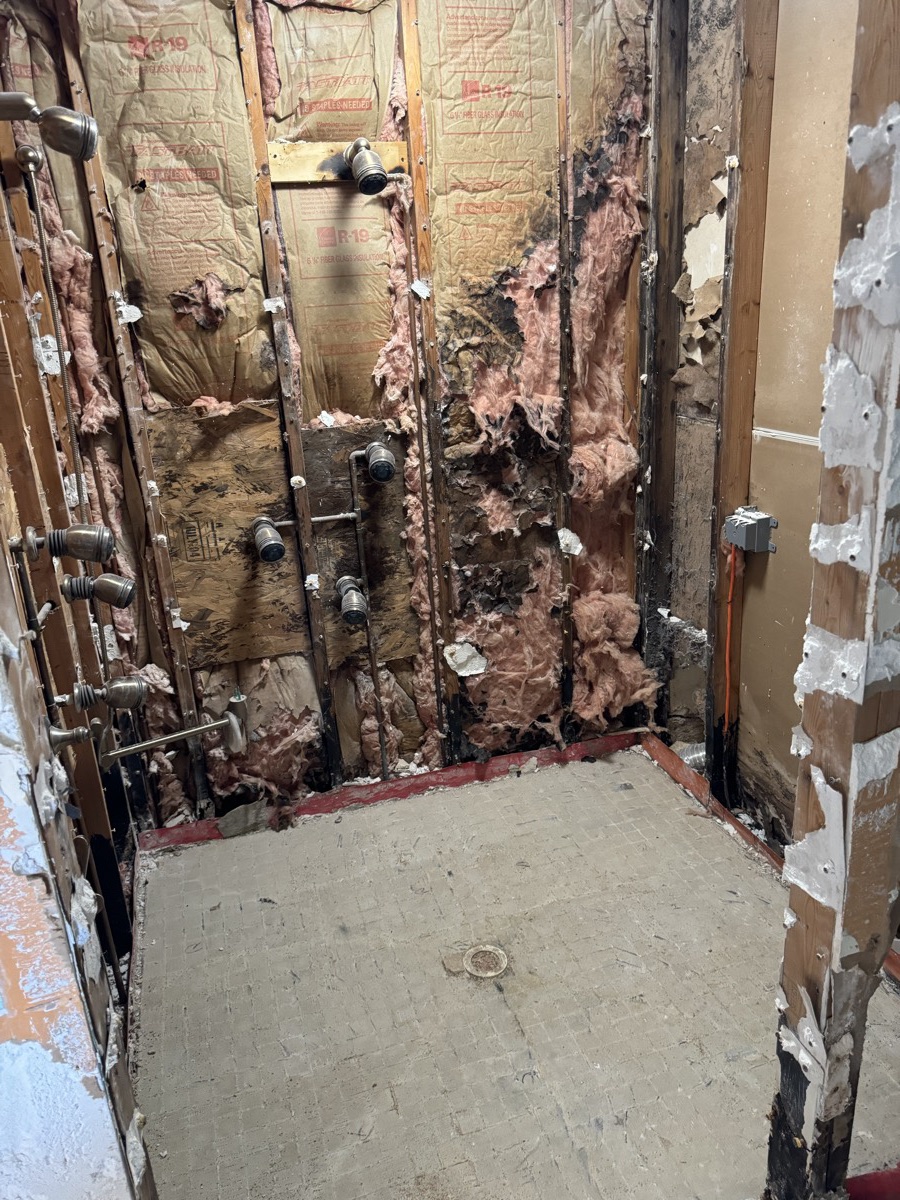
The most common problem is water damage. Even when it's minor, damaged subfloor has to be replaced, and so do any studs that took on water. We'd much rather find it and fix it now than tile over it.
There's also usually some reframing involved. The walls around a tub were built for a tub, not a shower, so we reframe for the new shower size, valve height and shower head location.
Waterproofing is the part that matters most
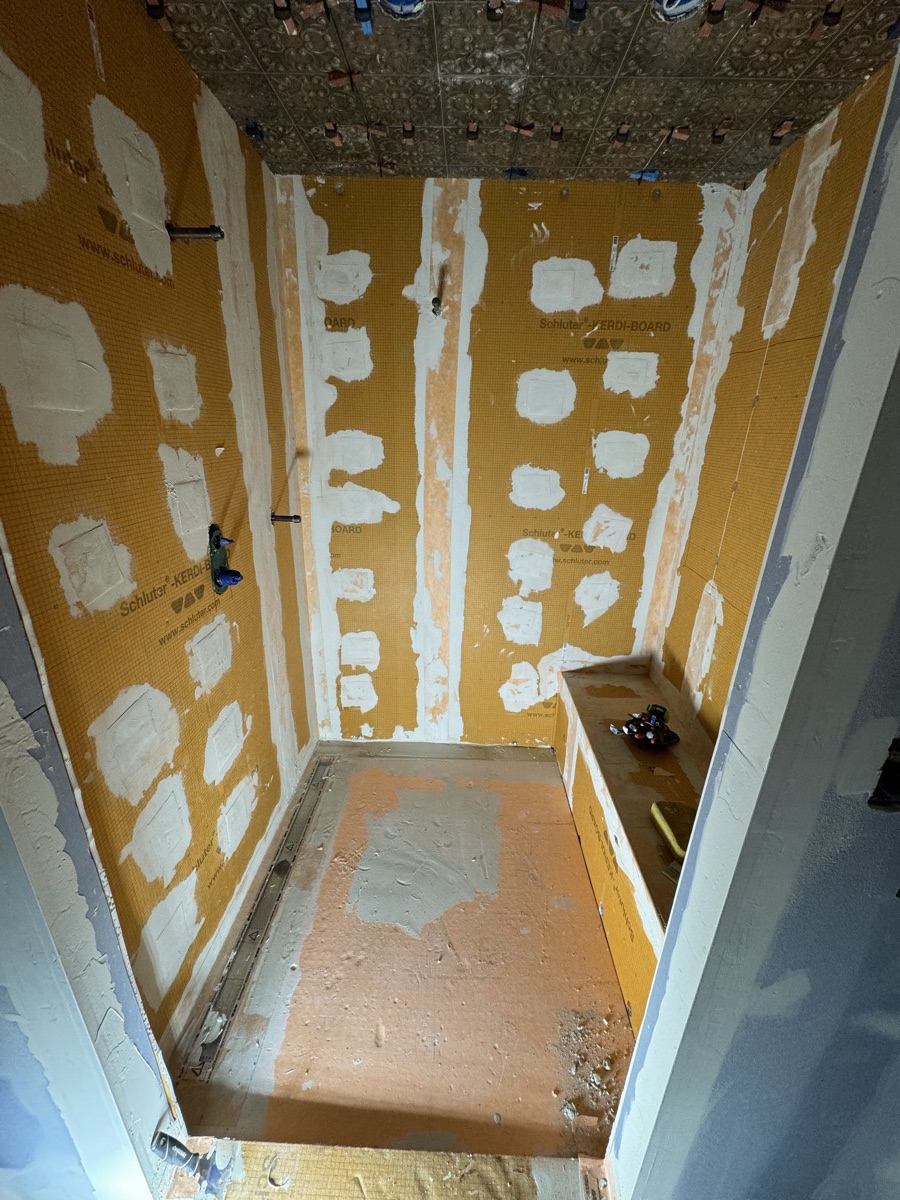
Before any tile goes on, the whole shower gets waterproofed: walls, floor and every corner and seam. Once the tile is up you'll never see it, but it's what keeps water where it belongs for years to come.
Add-ons people love
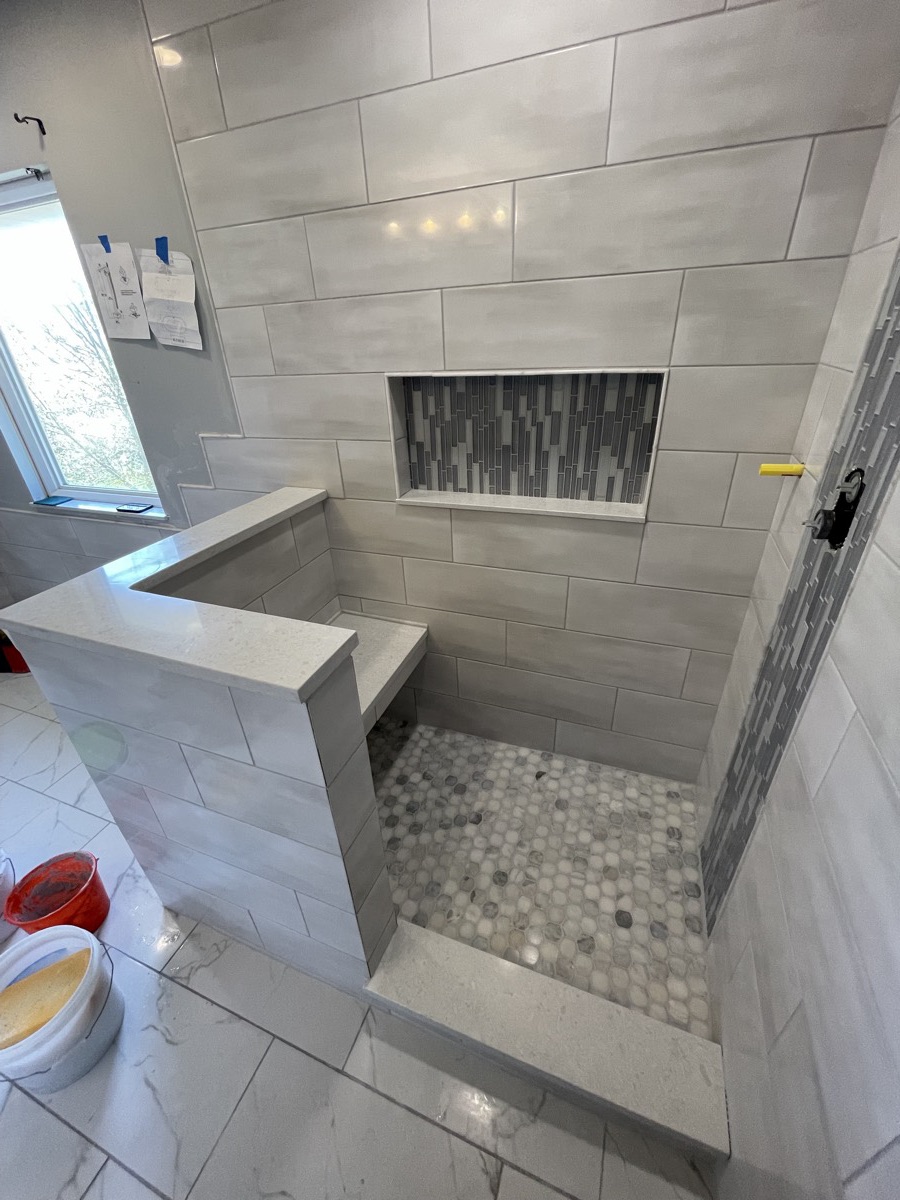
- Niches. One or more built-in shelves for shampoo and soap. A granite shelf in the niche looks great.
- A bench. We usually top benches with granite. Great for shaving your legs, or just sitting down.
- Grab bars that look good and make getting in and out safer.
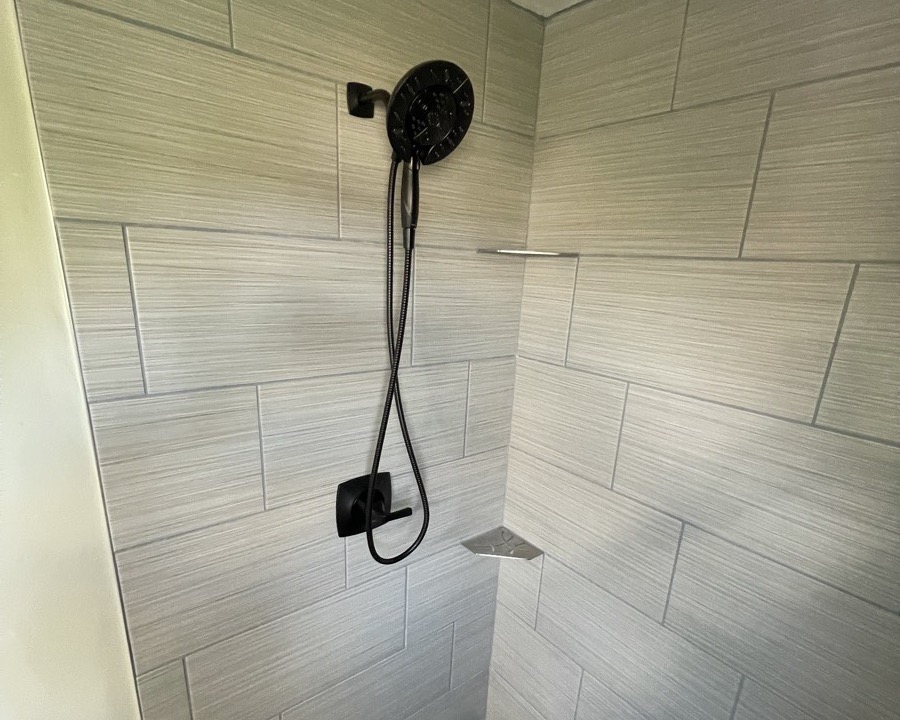
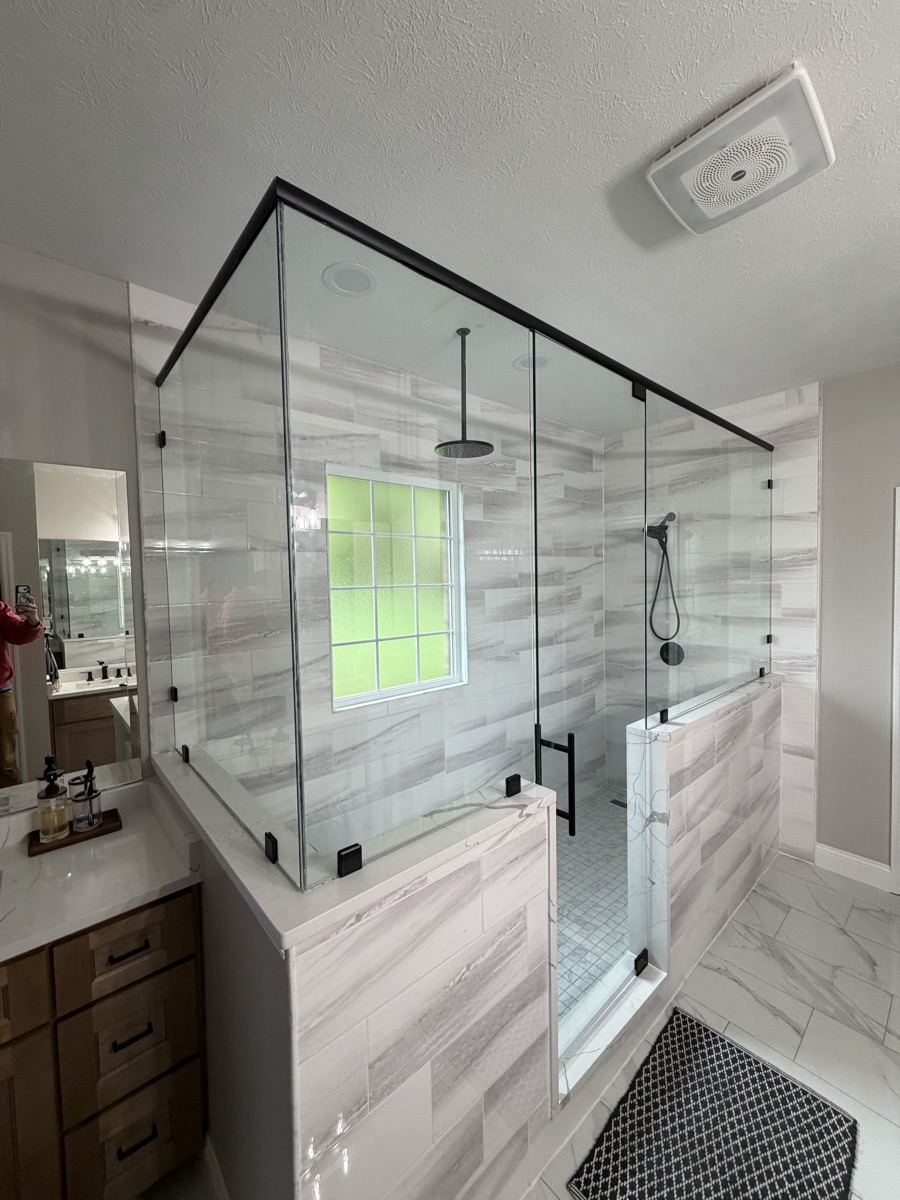
- A handheld shower head, or a full setup with a rainfall head and multiple sprays. There are a lot of options, and we install them all.
- Custom glass. We have our glass doors and panels custom made for each shower. Store-bought doors are cheaper, but they're a lot more likely to have something wrong with them.
My one tip
Put backing in the walls for grab bars now, even if you don't want grab bars yet. While the walls are open it's quick and inexpensive. Years from now, if you or a parent need one, it can go up anywhere you want without tearing out tile.
Common questions
How long does a tub-to-shower conversion take?
Usually 2 to 6 weeks, depending on whether it's a one-piece shower or a custom tile shower. Bigger projects can take two months or more, but that's rare.
Is a tile shower better than a one-piece shower?
Tile looks nicer, can be any size and lasts a long time when it's built right, but it costs more and takes longer. One-piece showers are faster, lower maintenance and usually cheaper, though they can stain over time.
Should I keep a bathtub somewhere in my house?
Usually, yes. A tub is handy for kids and grandchildren, and many buyers with young families look for at least one. Converting the master bath while keeping a tub elsewhere is very common.
Can any shower be curbless?
Not always. A curbless shower needs the shower floor set lower than the rest of the bathroom, which often means lowering the subfloor or changing the framing. Some houses don't have room for it.
Thinking about a walk-in shower?
See a full tub-to-shower project in Eaton, browse our bathroom remodeling work, or request a free walkthrough. I'll look at your space and tell you straight what makes sense.