A shower can leak for years before you ever see water. By the time you notice something, it may already be in your subfloor. Here's what I look for when I walk into a bathroom, and what to do if you spot it.
The signs of a leaking shower
- Cracked grout or tile. Any crack is a place for water to get in.
- Caulk that's cracked, peeling or gone. If the silicone in your corners and seams is cracked or missing, it will leak. Every time.
- Bugs. This one surprises people. Bugs go where the moisture is, so bugs around a shower are worth a closer look.
- Drywall that bubbles or feels soft. Check the walls around the shower and the room on the other side.
- Yellowing or mold. A yellow look on walls or trim can be a sign of moisture and mold.
- A musty smell that won't go away, even after you clean.
- Loose tile or tile that sounds hollow when you tap it.
- A soft or spongy floor near the shower.
- Water stains on the ceiling below the bathroom.
- Peeling paint or swollen trim near the shower.
The worst leaks I've seen
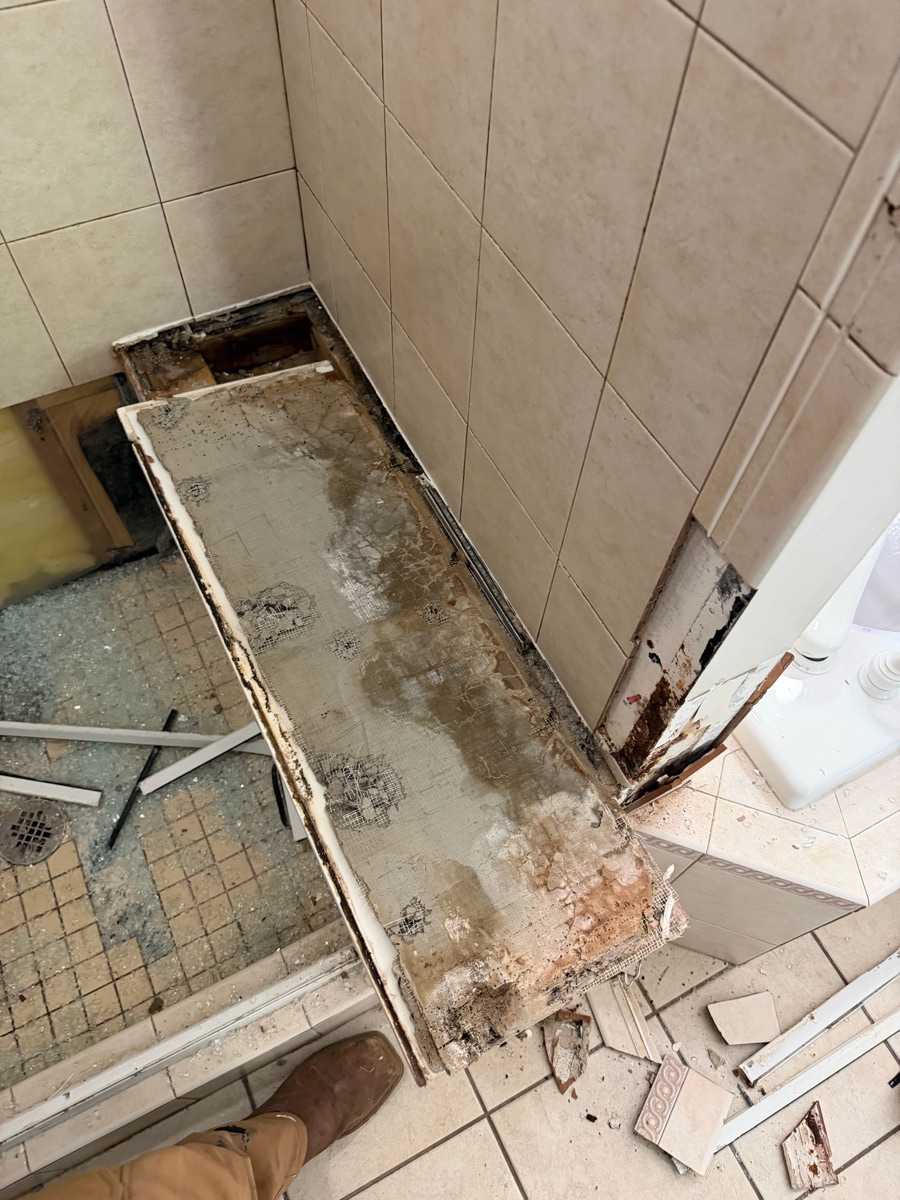
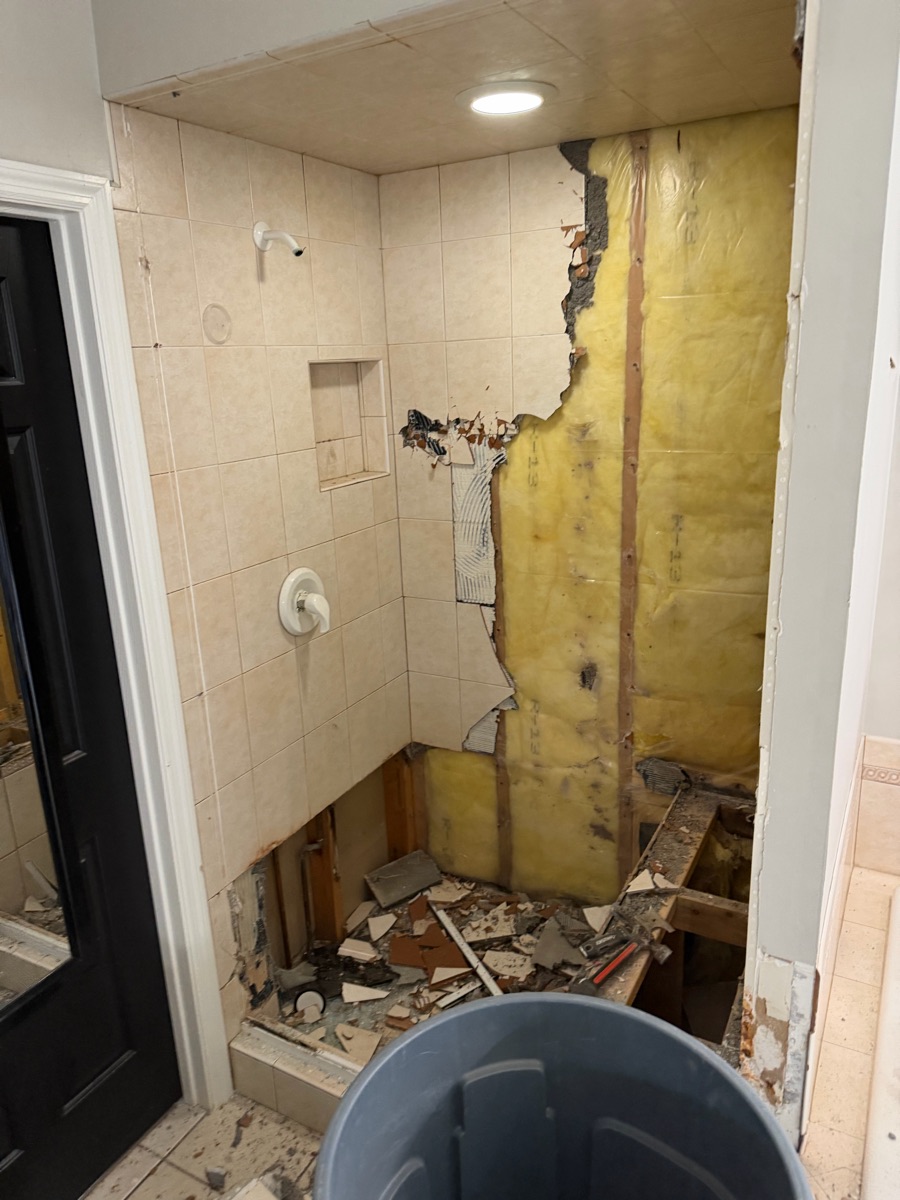
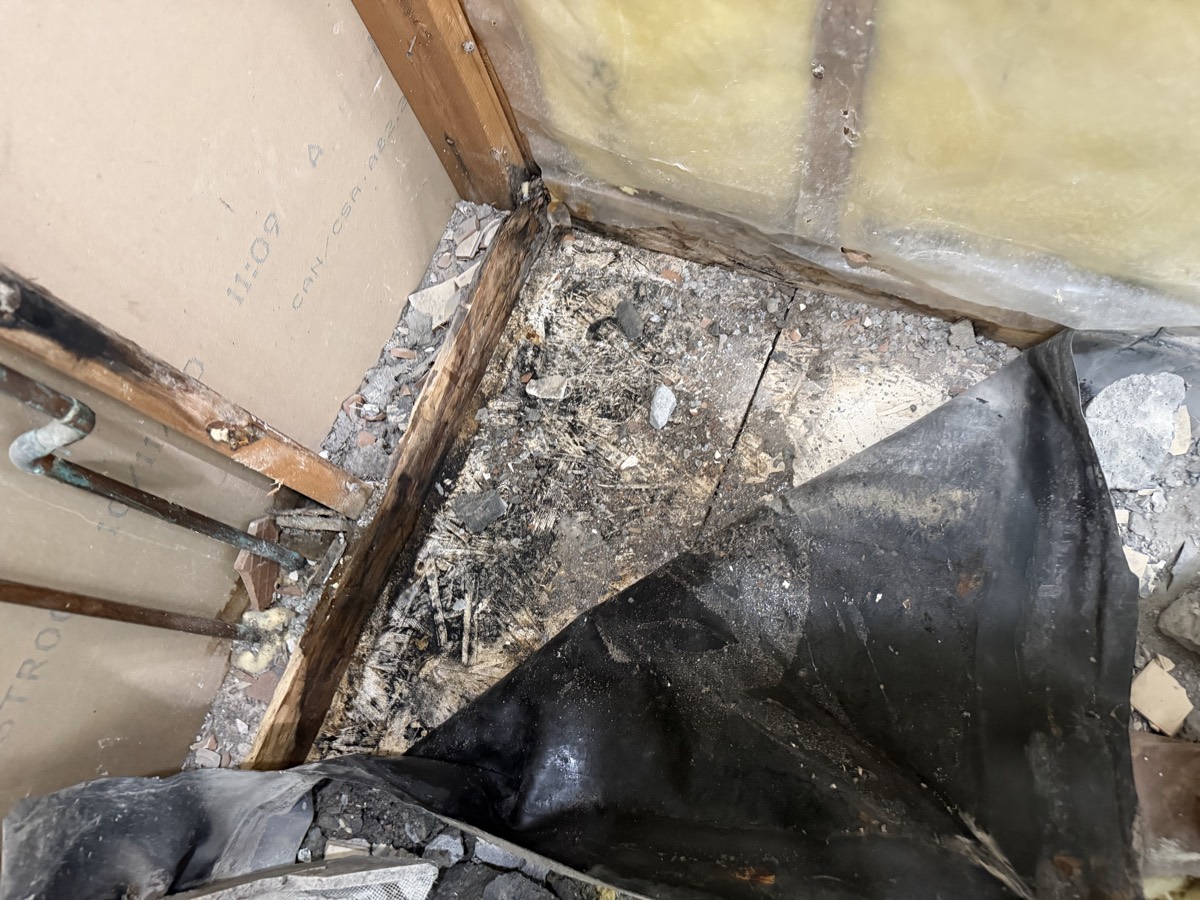
I've seen a handful of really bad ones. In one shower, there was a giant crack at the bottom of the shower floor. The grout was cracked and the caulk had completely separated. Instead of going down the drain, the water was going down that crack, into the subfloor, into the joists and into the crawl space.
The crawl space was rotted out. We had to sister new joists, rebuild a lot of the floor and a lot of the walls, and gut the entire bathroom.
I usually see this in older showers. But I've seen it in newer ones too, when somebody cut corners and didn't build the mud pan right or skipped proper waterproofing.
What to do if you see these signs
Send me some pictures. Call or text, and I'll tell you what I think you're looking at.
If your grout is cracking, stop using that shower until someone looks at it.
If you're handy, you can recaulk it yourself. Make sure you get a good seal, and use the right caulk, which is a silicone.
Here's the good news. If there's no water damage yet, it may just need new grout and caulk. I'd much rather fix that for you than tear out your whole shower. Catch it early and you might save the entire thing.
How we build a shower so it doesn't leak
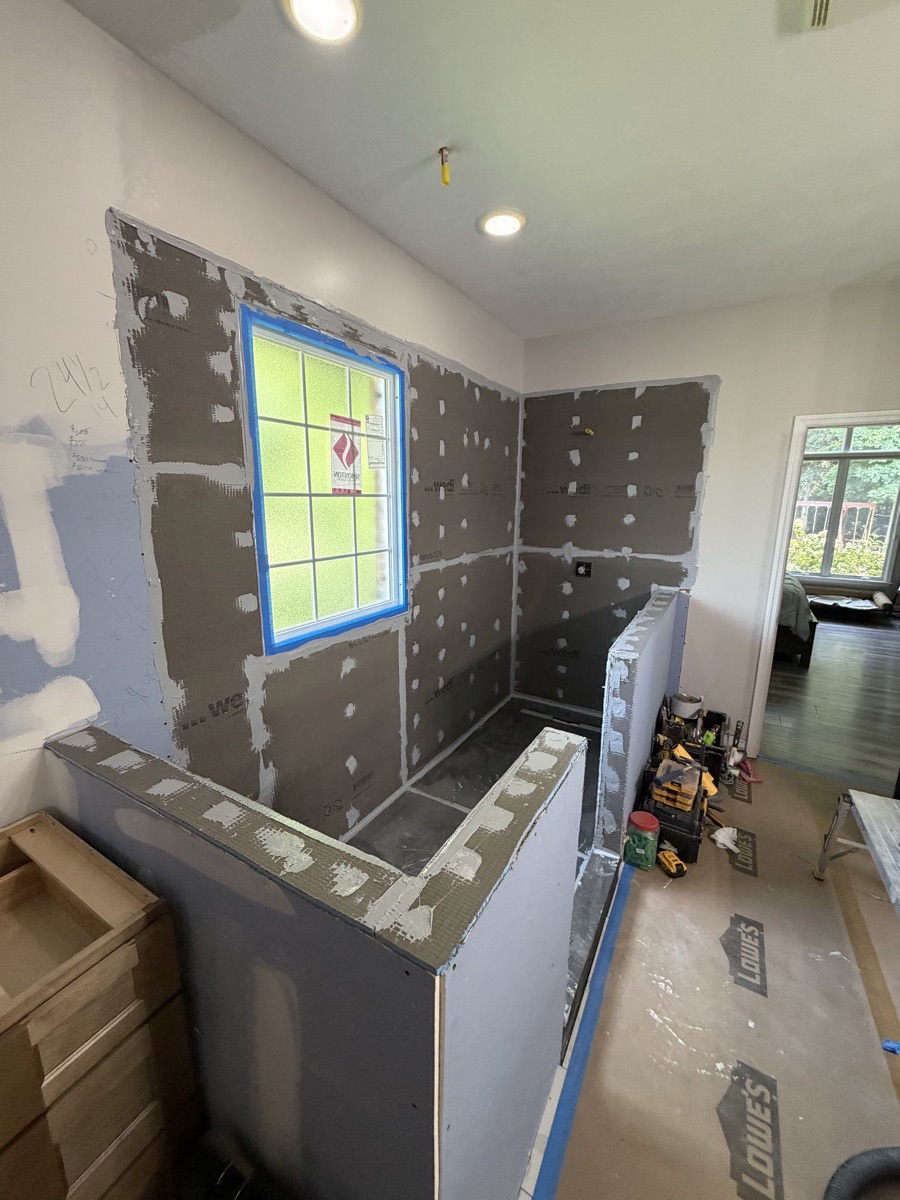
It all starts with the waterproofing. Tile and grout aren't what keep water out. We use high-end systems from Wedi or Schluter, and we seal up everything.
We take our time, and we test that the shower holds water before any tile goes in. That way, if water ever does get under your tile, it goes to the drain where it's supposed to, instead of into your subfloor, joists, basement or crawl space.
How to keep your shower from leaking
- Check your caulk every time you clean. Look for anything cracked, separated or peeling.
- Check for cracks in the grout and tile at the same time. It takes a few seconds and could save you a lot of money.
- Keep your grout sealed. In older houses, a lot of the time it isn't. Many newer grouts come pre-sealed, which makes them very low maintenance.
- Skip the harsh chemicals. Use a cleaner made for tile and grout.
My one tip
Don't wait on a crack. A small crack and missing caulk can turn into rotted joists. The cheapest time to fix a leak is the day you notice it.
Common questions
Can cracked grout cause a leak?
Yes. Cracked grout gives water a way in. If your grout is cracking, stop using that shower until someone looks at it.
What kind of caulk should I use in a shower?
Use a silicone. Silicone in the corners and seams is really important. If it's cracked or missing, the shower will leak.
Do I need a whole new shower if it's leaking?
Not always. If there's no water damage yet, new grout and caulk may be all it needs. If water has gotten behind the wall, it can mean a bigger repair or a full remodel.
How often should I check my shower for leaks?
Every time you clean it. Look for cracked or peeling caulk and cracks in the grout or tile.
Worried about your shower?
Send me a picture. I'm glad to help with any questions at all. Request a free walkthrough, see our bathroom remodeling work, or read the questions to ask any contractor before you hire.